
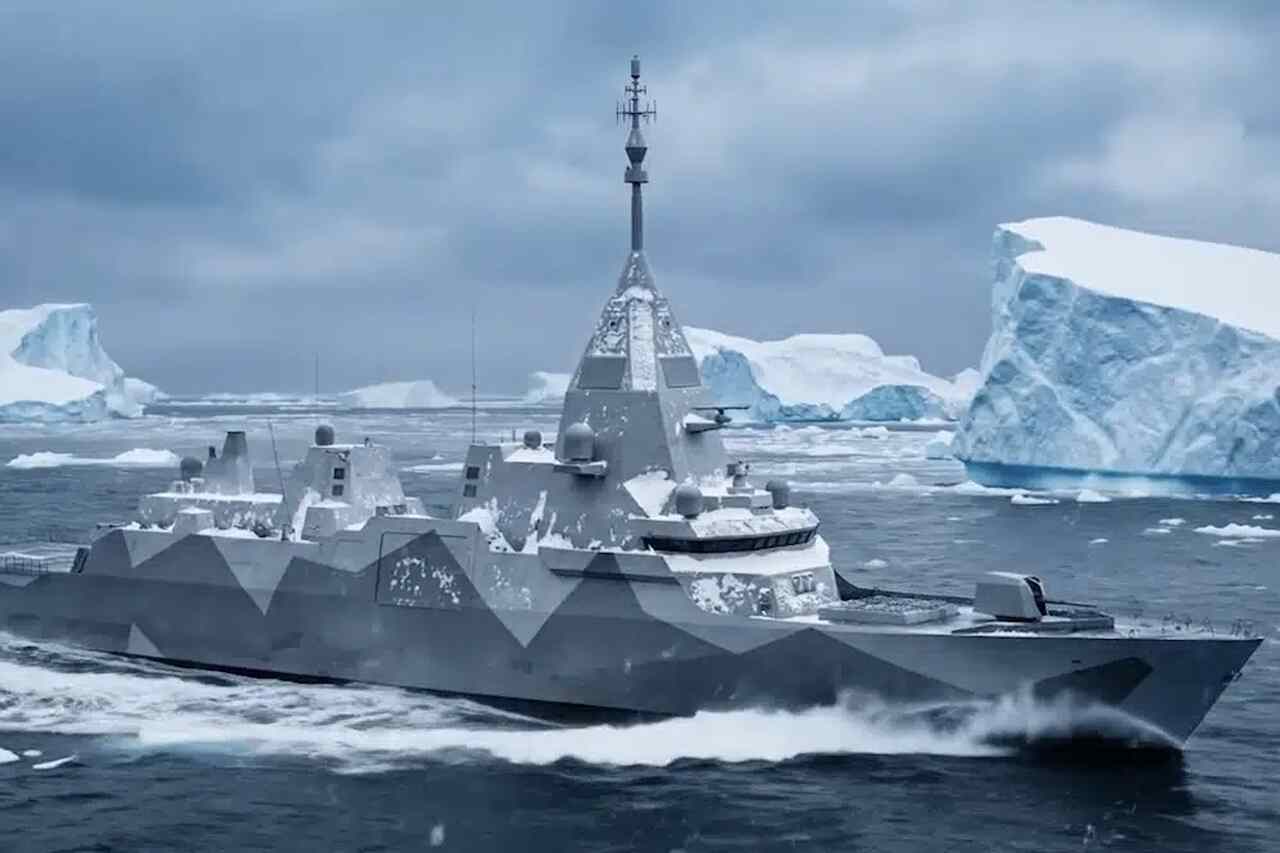
Sweden is preparing to return to blue-water operations through the acquisition of new air-defense frigates for the Royal Swedish Navy (RSwN), enabling the country to better contribute to NATO’s maritime tasks.
According to Naval News, the information was confirmed by Admiral Johan Norlén, Chief of the Swedish Navy, during the Navy Tech 2026 conference in Gothenburg on February 3.
According to him, the four new ships of the Luleå-class, planned to enter service from 2030, will reflect a shift in operational thinking “from denying an adversary freedom of action to establishing and maintaining control across the entire Baltic Sea region.”
“[The] task was not to dominate the sea, but to deny its use and limit an opponent’s freedom of action in the Baltic Sea, and thus also create time for the army to mobilize its forces,” Norlén told the audience at Navy Tech 2026.
“We learned early that the size of our navy alone would not protect us. Survivability mattered more than visibility. Agility mattered more than mass. As a result, we invested in stealth rather than size, in electronic warfare and strict emissions control, [and] in deception, dispersion, and resilience.”
The Swedish Defence Materiel Administration (FMV) evaluated competing frigate designs offered by Babcock, Naval Group, and Navantia, with the government expected to announce a final selection decision in the near future.
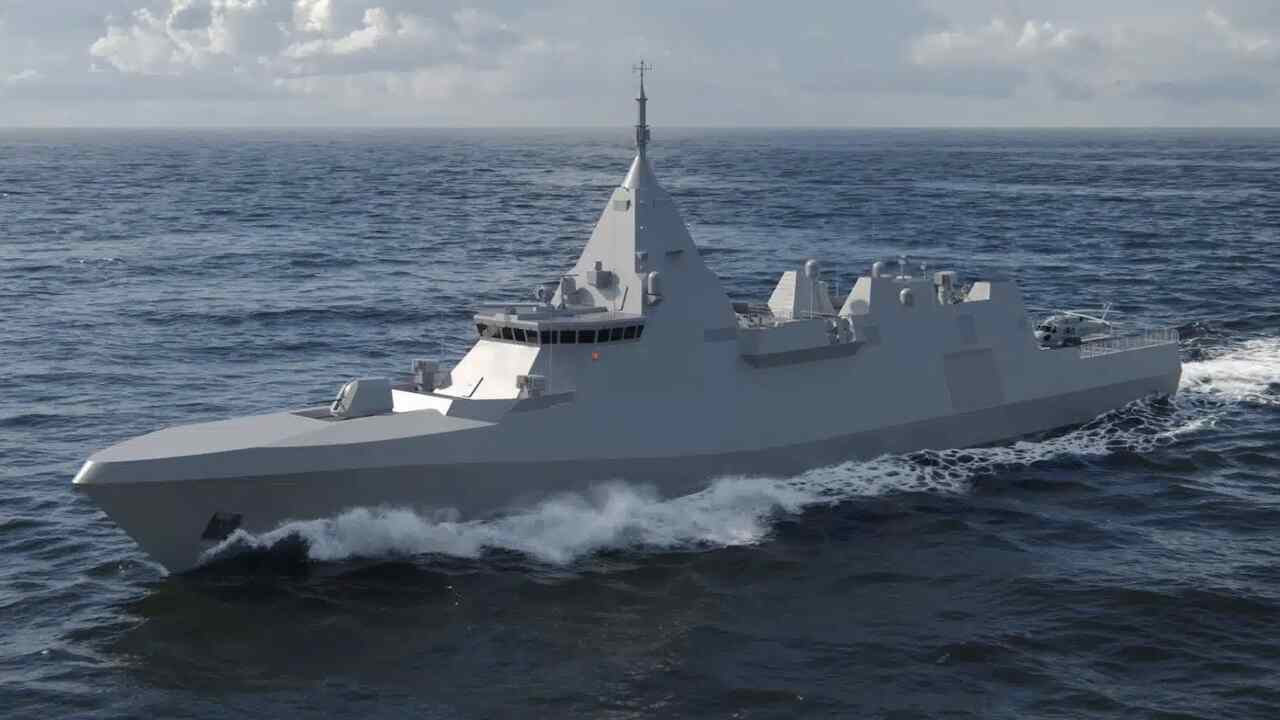
The new ships, which will be named HMS Luleå, HMS Norrköping, HMS Trelleborg, and HMS Halmstad, are intended to introduce an area air-defense capability in the form of the Aster 30 family from MBDA, with Aster 30 Block 1 and Block 1NT missiles under consideration.
Sweden originally planned to acquire a new class of larger corvettes under the Ytstridsfartyg 2030 (YSF 2030) program. However, after joining NATO following the outbreak of the war in Ukraine, a decision was made to seek larger and more capable frigate-sized ships that are more relevant to the alliance’s needs within and beyond the Baltic Sea.
“The acquisition of air-defense frigates represents a fundamentally new capability, not only for the Royal Swedish Navy, but for the Swedish Armed Forces and, I would say, for the nation as a whole,” Norlén said.
“This is new territory, at least in modern times, with this type of capability, and as an ally we are complementing our green- and brown-water capabilities and extending a foot—or a leg—into blue-water capability.”
Photos: Navantia / Babcock. This content was created with the help of AI and reviewed by the editorial team.
